Source carved pink opal tumble stone for Home Decor, Gifts, Meditation
Compare 30 listings of carved pink opal tumble stone from verified suppliers. Buyers can evaluate prices, MOQs, and shipping details for home decoration, gifts, and meditation practices. Explore various sizes, weights, and packaging options to find the perfect match for your specific sourcing needs and budget requirements.
Key considerations
Products List
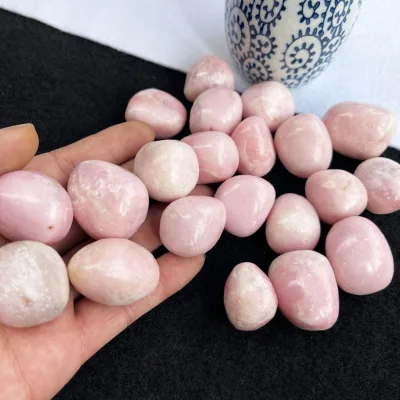
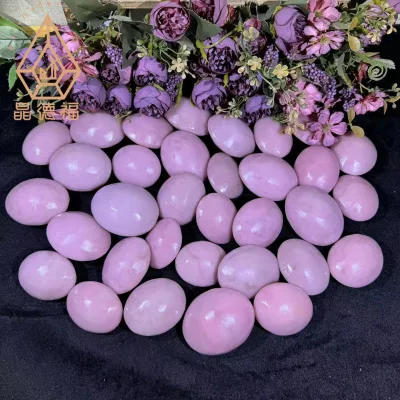
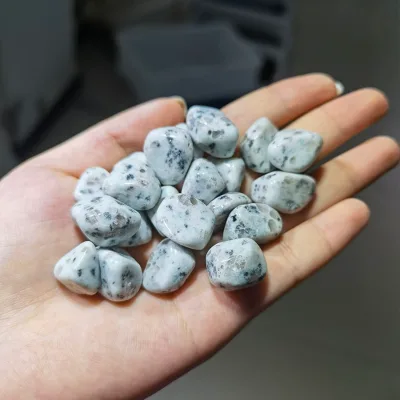
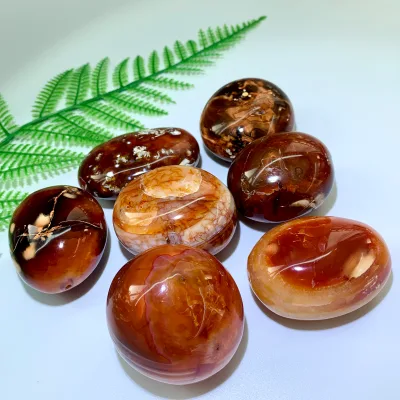


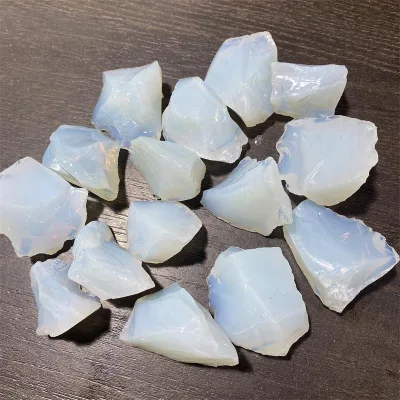
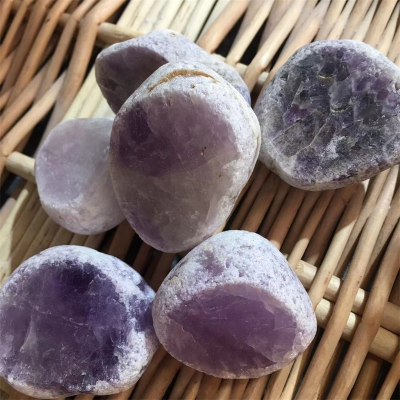
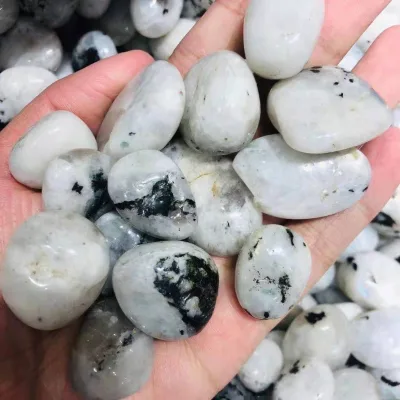
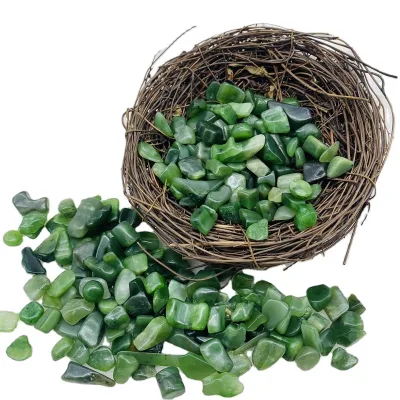


Comprehensive Sourcing Guide
Carved Pink Opal Tumble Stone Sourcing Guide
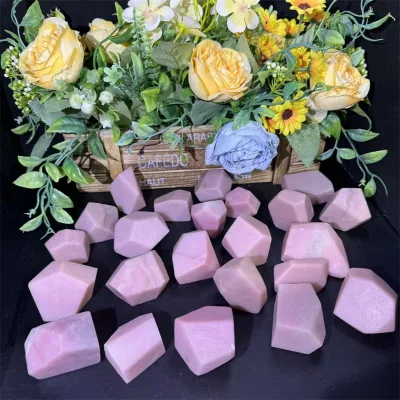
Sourcing natural pink opal tumbled stones requires a clear understanding of the material’s unique geological properties and the specific aesthetic expectations of your target market. Pink opal is a variety of chalcedony, often confused with pink opalite, which is typically a man-made glass. Buyers must distinguish between natural stone and synthetic alternatives to ensure product authenticity and value. The visual appeal of pink opal lies in its soft, milky pink hues and occasional white banding, making it a popular choice for decorative items and spiritual collections. Understanding this distinction is the first step in building a reliable supply chain that meets customer expectations for natural gemstones.
The procurement process for these stones involves navigating a market dominated by suppliers in specific manufacturing hubs, particularly in regions known for stone processing. Buyers should focus on verifying the origin of the raw material, as this impacts both the color consistency and the overall quality of the finished tumbled stones. The term "tumbled" refers to the mechanical polishing process that gives the stones their smooth, rounded edges, which is essential for safe handling in jewelry or home decor applications. Establishing a clear definition of quality standards early in the sourcing phase helps prevent disputes over color variations or surface imperfections that are natural to the stone.
Product Scope and Observed Listing Signals
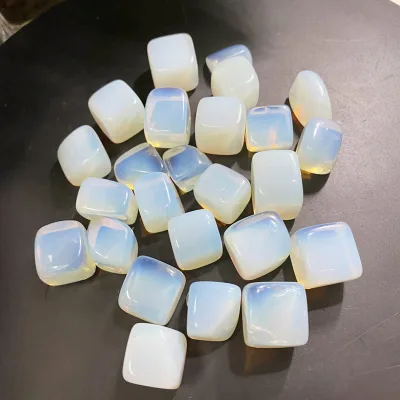
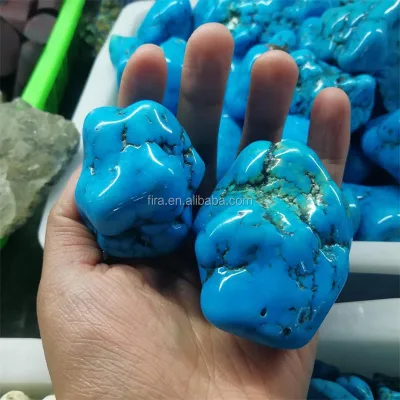
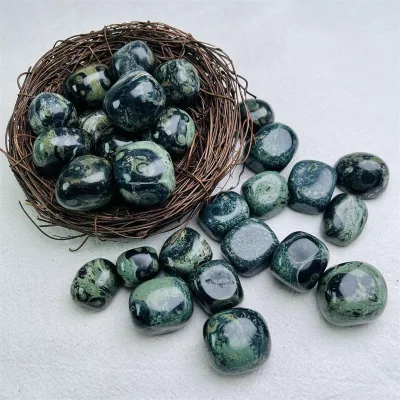
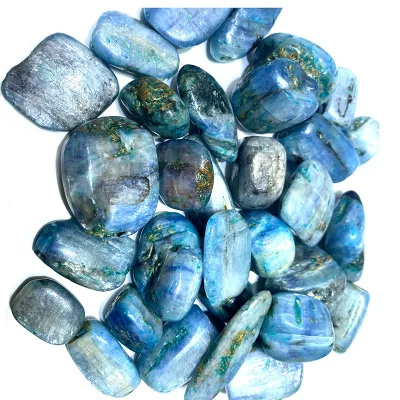
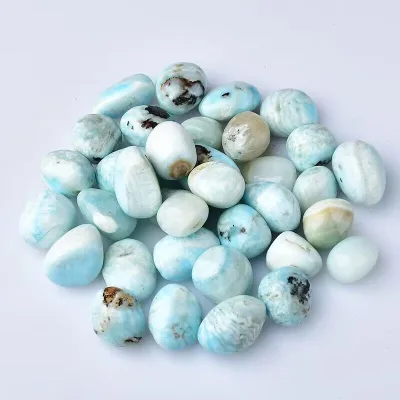
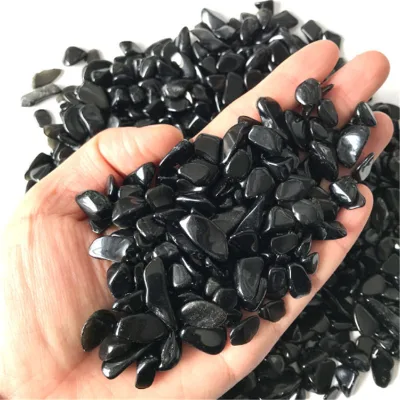
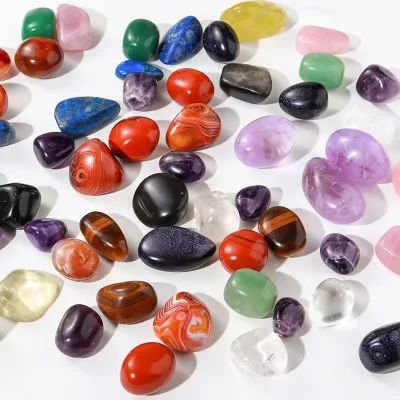
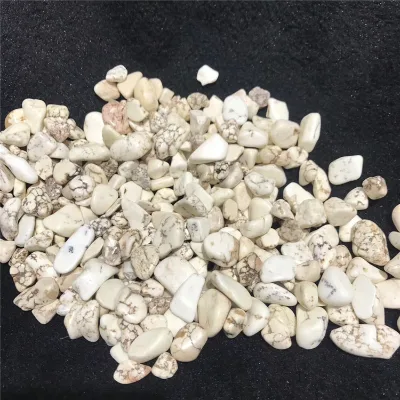
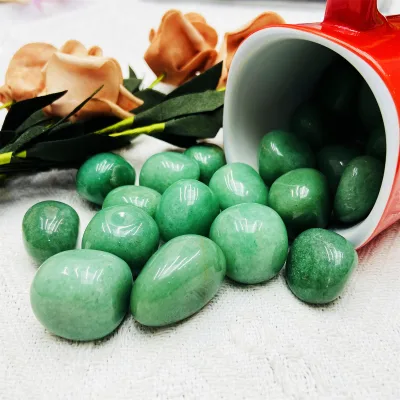
Market listings for pink opal tumbled stones often include a variety of related crystal products, which can create confusion regarding the exact specifications of the core keyword. Observed data indicates that suppliers frequently bundle different stone types, such as kiwi jasper, strawberry quartz, and lapis lazuli, under broader crystal categories. Buyers must carefully examine product titles and descriptions to confirm that the primary material is indeed natural pink opal and not a composite or dyed stone. The presence of multiple model numbers and varying package sizes in a single listing suggests that suppliers may offer a wide range of SKUs, requiring precise communication to avoid receiving mixed inventory.
Price and minimum order quantity (MOQ) signals provide insight into the scalability of the supply. Listings show a wide price range, reflecting differences in stone quality, size, and packaging methods. The observed MOQs can start as low as one kilogram, which is advantageous for small businesses testing the market, but larger orders may require negotiation for better pricing tiers. Buyers should note that some suppliers list samples as available, which is a critical step in verifying the physical quality of the stone before committing to bulk purchases. Understanding these listing signals helps buyers identify suppliers who are flexible and transparent about their product offerings.
Technical Specifications to Verify
Verifying the physical dimensions and weight of the tumbled stones is crucial for inventory management and shipping cost calculations. Buyers should request detailed specifications for the size range of the stones, as variations from 2-3 cm to other sizes can significantly impact the final product's application. The single package size and gross weight per batch are also key metrics that affect logistics planning. For instance, a single package size of 18x10x12 cm with a gross weight of 1.350 kg provides a baseline for estimating shipping volumes. Confirming these technical details ensures that the supplier’s packaging aligns with your storage and distribution capabilities.
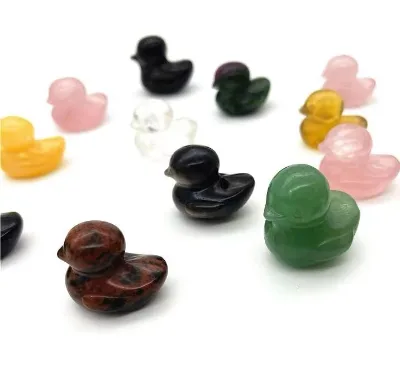
The finish and style of the stones must be explicitly confirmed to match your product requirements. The term "polished" indicates a smooth surface finish, which is standard for tumbled stones, but buyers should verify if any additional carving or shaping is included. Some listings mention "crystal tumbled" styles, which may imply a specific aesthetic or cut. It is important to clarify whether the stones are loose or part of a set, as this affects the selling unit and packaging. Ensuring that the technical specifications match your design needs prevents mismatches in the final product and ensures customer satisfaction with the tactile and visual qualities of the stones.
Compliance and Safety Documentation
While natural gemstones are generally considered safe, buyers must ensure that suppliers provide appropriate documentation regarding the material’s origin and processing. For products intended for children or specific decorative uses, verifying that the stones are free from harmful chemicals or dyes is essential. Although specific certification standards are not always listed, buyers should request information on the sourcing practices to ensure ethical mining and processing. This is particularly important for maintaining brand integrity and meeting the growing consumer demand for ethically sourced materials.
Shipping and handling compliance is another critical aspect of the procurement process. Buyers should confirm that the supplier uses safe packaging methods to prevent damage during transit, as tumbled stones can be fragile if not properly cushioned. The listing mentions "safe package" as a feature, which suggests an awareness of this risk. However, buyers should specify their own packaging requirements to ensure that the stones arrive in pristine condition. Additionally, verifying the supplier’s compliance with international shipping regulations helps avoid delays or penalties at customs, ensuring a smooth supply chain from origin to destination.
Cost Drivers and Commercial Terms
The cost of pink opal tumbled stones is influenced by several factors, including the quality of the raw material, the complexity of the tumbling process, and the volume of the order. Buyers should analyze the price range observed in the market to determine a realistic budget for their procurement. The presence of different model numbers and product types suggests that pricing may vary significantly based on the specific stone variety and finish. Understanding these cost drivers helps buyers negotiate better terms and avoid overpaying for lower-quality materials.
Commercial terms such as payment methods and delivery times also play a significant role in the overall cost of procurement. Listings indicate that suppliers accept various payment methods, including PayPal, Western Union, and TT, which offers flexibility but also requires careful consideration of transaction fees and security. Delivery times of 3-7 days suggest a relatively quick turnaround, which is beneficial for maintaining inventory levels. Buyers should clarify these terms in writing to avoid misunderstandings and ensure that the supplier can meet their timeline requirements. Negotiating bulk discounts and clear return policies can further optimize the cost structure.
Supplier Qualification and Quality Control
Qualifying suppliers for pink opal tumbled stones requires a thorough assessment of their production capabilities and quality control processes. Buyers should verify the supplier’s brand name and product type to ensure they specialize in natural stones rather than synthetic alternatives. The presence of a specific brand name, such as "Fream" or "Kindfull crystal," can indicate a level of professionalism and consistency in product offerings. However, buyers should not rely solely on brand names and should conduct additional due diligence to assess the supplier’s reliability and track record.
Quality control measures should be explicitly discussed with the supplier to ensure that the stones meet your standards. Buyers should request samples to evaluate the color consistency, surface finish, and overall quality of the stones. The availability of samples is a positive indicator, as it allows buyers to physically inspect the product before committing to a large order. Additionally, buyers should inquire about the supplier’s process for handling defects and returns. Establishing a clear quality control protocol helps minimize the risk of receiving substandard products and ensures that the final goods meet customer expectations.
Long-Term Procurement Checks
Building a long-term relationship with a reliable supplier of pink opal tumbled stones requires ongoing monitoring and evaluation. Buyers should regularly review the supplier’s performance in terms of delivery times, product quality, and customer service. Consistent performance over time is a key indicator of a supplier’s reliability and commitment to meeting buyer needs. Buyers should also stay informed about market trends and changes in the supply of natural stones, as these factors can impact availability and pricing.
Continuous improvement in the procurement process is essential for maintaining a competitive edge. Buyers should seek feedback from their customers regarding the quality and appeal of the pink opal stones to identify areas for improvement. This feedback can be used to refine product specifications and negotiate better terms with suppliers. Additionally, exploring new suppliers and product variations can help diversify the supply chain and reduce dependency on a single source. By maintaining a proactive approach to supplier management, buyers can ensure a steady supply of high-quality pink opal tumbled stones for their business.
FAQs
What is the MOQ for pink opal tumbled stones?
The minimum order quantity is 1 kg. This low threshold allows buyers to test quality before committing to larger volumes. The product is sold as a single item with a gross weight of 1.350 kg per package. This makes it accessible for small businesses or individual collectors seeking specific crystal varieties.
Where are these pink opal stones manufactured?
These stones originate from Jiangsu, China. The manufacturing location ensures consistent quality control for the polished crystal tumbled stones. Buyers can verify the place of origin to align with their sourcing preferences. The region is known for producing various crystal and gemstone products for global decoration and collection markets.
How long does delivery take for these stones?
The standard delivery time is 3-7 days. This rapid turnaround supports urgent decoration or gift orders. The package is designed for safe transport to prevent damage during shipping. Buyers should confirm shipping costs separately, as they are not included in the base product price or lead time estimates.
Can I request a sample before bulk ordering?
Yes, samples are available for evaluation. This allows buyers to verify the pink opal quality and polished finish firsthand. The sample process helps ensure the product meets specific aesthetic or commercial requirements. Buyers can proceed with confidence knowing that quality verification is supported before committing to larger purchase quantities.
What payment methods are accepted for these stones?
Accepted payment methods include PayPal, Western Union, TT, and credit cards. These options provide flexibility for international B2B transactions. Buyers can choose the method that best suits their financial processes. Secure payment gateways ensure that transactions are protected while facilitating smooth order processing for crystal tumbled stone purchases.
What is the size of the pink opal stones?
The stones are available in a 2-3 cm size range. This dimension is ideal for home decoration and artistic projects. The single package size is 18x10x12 cm, accommodating the tumbled stones securely. Buyers seeking specific crystal dimensions for crafts or collections will find this size versatile for various decorative applications.